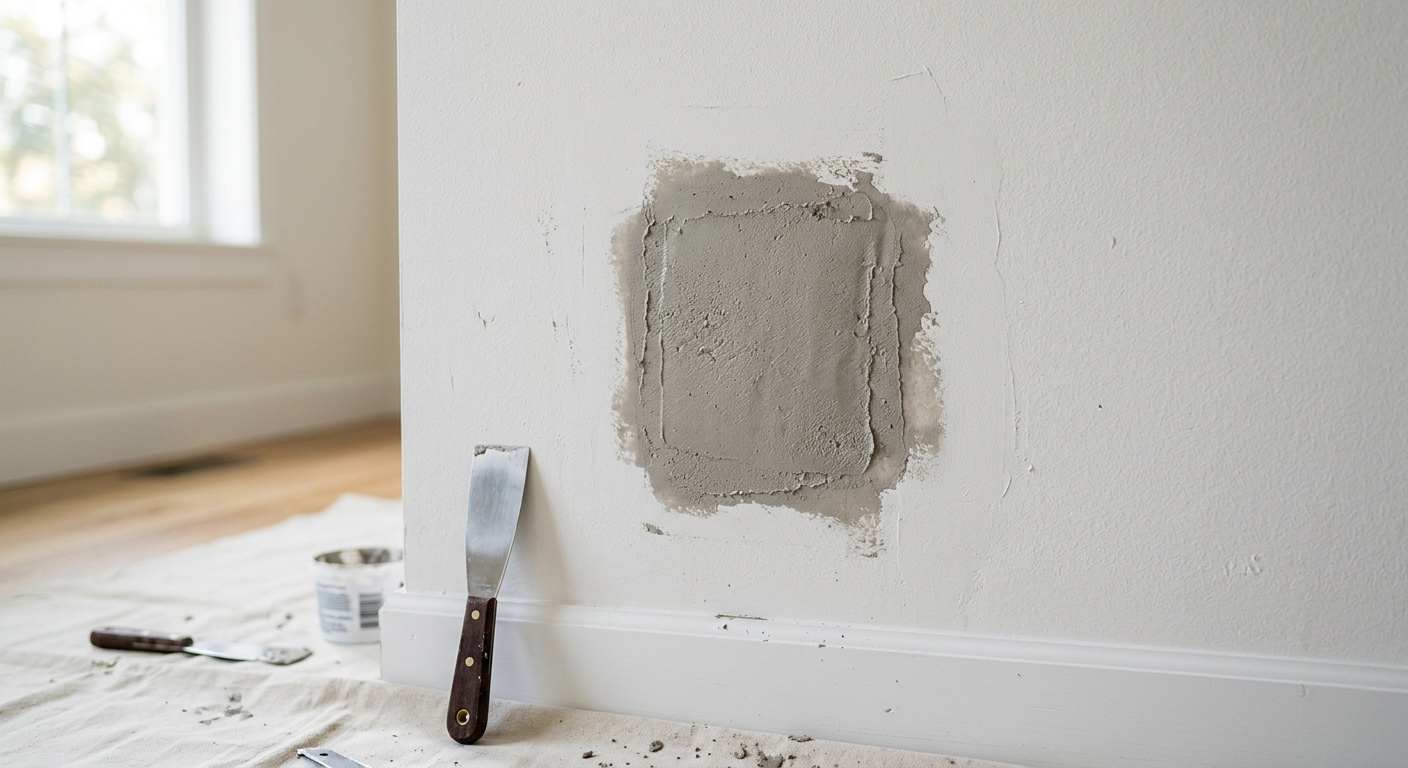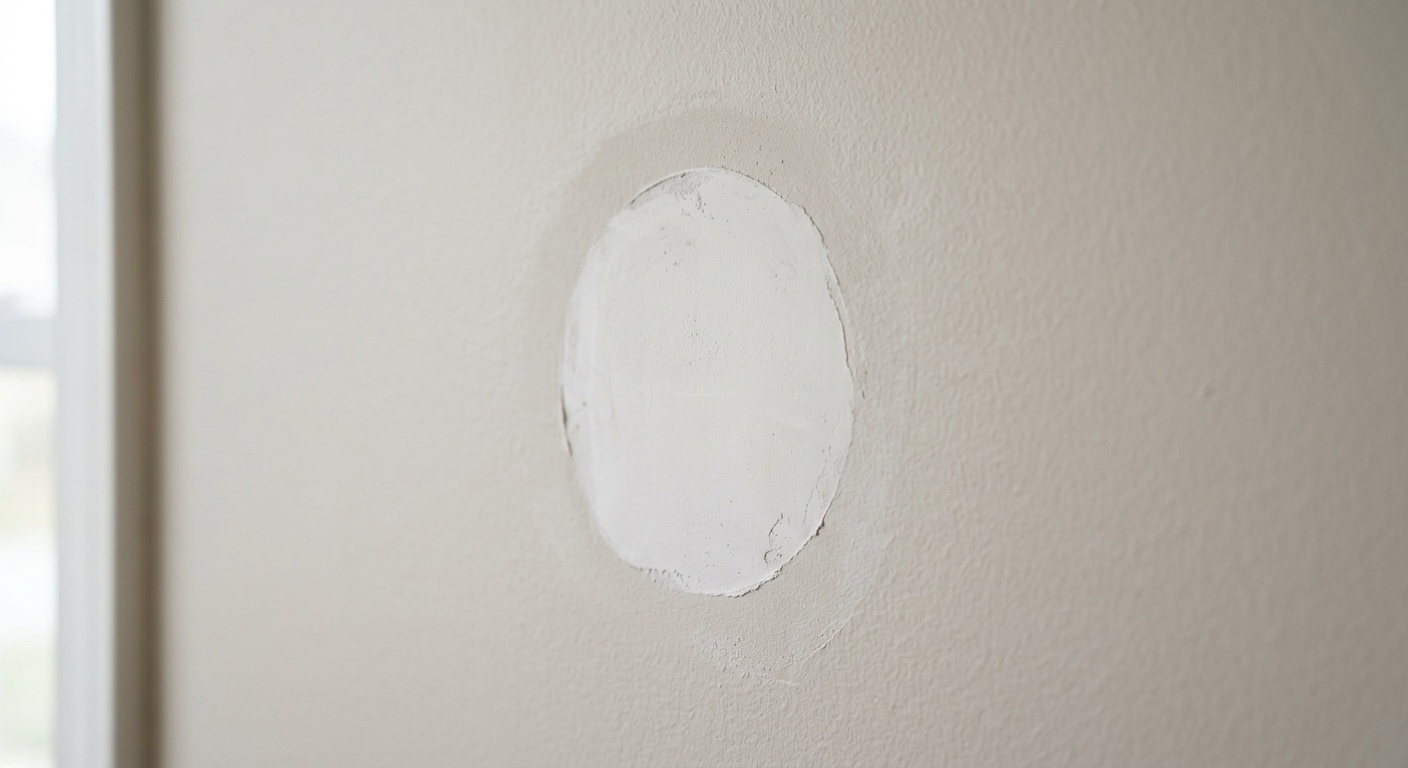
Drywall Patching Techniques for Large Holes in 2026
Reading time: 14 minutes
That fist-sized hole staring back at you from the hallway wall isn’t just an eyesore — it’s a challenge waiting to be solved. Whether it’s from a doorknob that swung too hard, a plumbing repair that got out of hand, or a furniture move gone sideways, large drywall holes are one of the most common home repair headaches homeowners face in 2026.
Here’s the good news: modern patching techniques, combined with improved materials now widely available, have made it easier than ever to restore damaged drywall to a like-new finish — even if you’ve never held a putty knife in your life. But “easier” doesn’t mean “careless.” The difference between a patch that lasts twenty years and one that cracks and bubbles within a season comes down to technique, preparation, and knowing which method fits your specific situation.
Well, here’s the straight talk: Successful drywall patching isn’t about being a professional contractor — it’s about understanding the right approach for the right hole.
Table of Contents
- Understanding Large Hole Classifications
- Tools & Materials You’ll Actually Need in 2026
- The Four Core Patching Methods
- Common Challenges & How to Overcome Them
- Finishing Like a Pro: Taping, Mudding & Sanding
- Method Comparison: Which Technique Is Right for You?
- Real-World Scenarios: Case Studies
- Patching Method Difficulty & Time Chart
- Frequently Asked Questions
- Your Wall, Restored: A Practical Action Checklist
Understanding Large Hole Classifications
Before you reach for a trowel, the single most important step is correctly identifying what you’re dealing with. In the drywall repair world, not all holes are created equal — and the wrong technique applied to the wrong hole size will cost you time, money, and frustration.
Defining “Large” in Drywall Terms
Industry professionals in 2026 generally classify drywall holes into three tiers:
- Small holes (under 1 inch): Nail holes, small anchors, minor surface dents. These require only spackle or lightweight patching compound.
- Medium holes (1–6 inches): Doorknob impact points, outlet box removals, small fist holes. These can use self-adhesive mesh patches or California patches.
- Large holes (6 inches and above): Requires structural backing, new drywall sections, and multi-coat finishing. This is the territory we’re diving into.
For this guide, we’re laser-focused on holes larger than 6 inches — the kind that genuinely require structural support and a more systematic approach. According to a 2025 survey by the National Association of Home Improvement Contractors (NAHIC), approximately 34% of DIY drywall repair attempts on holes larger than 6 inches result in re-repair within 18 months, almost always due to skipping backing support or under-applying joint compound coats. That’s a problem we’re going to help you avoid entirely.
What’s Behind Your Wall Matters
One critical factor many tutorials skip entirely: identifying what’s inside your wall cavity before cutting. In 2026, smart home installations — including recessed wiring for voice assistants, in-wall media cables, and smart thermostat conduits — are present in over 60% of homes built or renovated since 2020, according to the Smart Home Industry Report 2025. Always use a stud finder with wire detection capability before making any cuts. Modern options like the Franklin Sensors ProSensor T13 (widely available in 2026) can detect studs, live wires, and even copper pipes simultaneously.
Tools & Materials You’ll Actually Need in 2026
The materials landscape for drywall repair has evolved meaningfully. Several newer products introduced in 2024–2025 have become standard in 2026, making large-hole repairs more forgiving for beginners while delivering professional-grade results.
Essential Tool List
- Drywall saw or oscillating multi-tool — for cutting clean, square edges around the damaged area
- Stud finder with AC wire detection — non-negotiable safety step
- Drywall screws (1-5/8 inch) — coarse-thread for wood studs, fine-thread for metal framing
- Cordless drill/driver — with a dimpler bit for consistent screw depth
- 6-inch and 10-inch drywall knives (taping knives)
- Corner bead (for patches near corners)
- Sanding block and 120/220-grit sanding paper
- Primer (drywall-specific, PVA-based)
Materials: What’s New and What Still Works
Traditional all-purpose joint compound remains the gold standard for large patches — it’s forgiving, widely available, and sands beautifully. However, pre-mixed lightweight joint compound (sometimes labeled “easy sand”) has improved dramatically since 2024. Brands like USG Sheetrock Brand Plus 3 and DAP Drydex now offer reduced-shrink formulas that require fewer coats, cutting typical finishing time by roughly 20% compared to formulations from 2022.
For backing material: 1×3 or 1×4 wood furring strips remain reliable, but metal clip systems (sometimes called EZ Clip or Patch Plus systems) have become a favorite in 2025–2026 among DIYers because they eliminate the need for precise stud alignment. We’ll discuss both approaches in detail.
Pro Tip: In 2026, fiberglass mesh tape has largely replaced paper tape for beginner-level repairs on patches, but many professionals still prefer paper tape for flat seams because it embeds more cleanly and resists bubbling. For large patches, use paper tape over mesh on all tapered seams for a flatter, more durable result.
The Four Core Patching Methods
Think of these four methods as your toolkit — each designed for a specific scenario. Choosing correctly is half the battle won before you even open a compound bucket.
Method 1: The California Patch (Floating Patch)
Best for holes between 4–8 inches in accessible wall areas without stud interference. This method uses a piece of drywall slightly larger than the hole, with the paper face intact on all four sides. The paper flaps act as self-adhesive tape, eliminating the need for separate mesh or paper tape on the edges.
Step-by-step overview:
- Cut the damaged area into a clean rectangle using a drywall saw.
- Cut a patch piece approximately 2 inches larger on each side than your cutout.
- Score and snap the gypsum core on the patch, then carefully peel away the gypsum, leaving a 2-inch paper border on all sides.
- Apply a thin layer of joint compound around the hole perimeter, press the patch in, and smooth the paper flanges flat.
- Allow to dry (12–24 hours minimum), then apply two to three finishing coats of compound.
Pros: No backing required, minimal materials, fast setup. Cons: Limited to thinner drywall patches and smaller large-hole scenarios. Not ideal for holes over 8 inches.
Method 2: Wood Backing Strip Method
The most reliable technique for holes between 6–16 inches that don’t fall conveniently between studs. You insert wooden backing strips (typically 1×3 or 1×4 pine furring strips) into the wall cavity behind the hole, screwing them to the existing drywall to create a solid substrate for the patch.
Step-by-step overview:
- Clean up and square the hole with a drywall saw.
- Cut two furring strips approximately 4 inches longer than the hole’s height.
- Insert each strip behind the drywall on opposite sides of the hole, centering them at the edges of the opening.
- Drive two drywall screws through the existing drywall into each strip (above and below the hole) to secure them.
- Cut a patch piece to fit the hole exactly, then screw it into the backing strips.
- Tape all seams with paper tape, apply three coats of compound (coat, coat, finish coat), feathering each coat wider than the last.
This method is a favorite among experienced DIYers because it’s structurally solid and mimics professional framing techniques. The result is nearly indistinguishable from original drywall when properly finished.
Method 3: Stud-to-Stud Replacement Panel
For very large holes — anything over 16 inches wide — or damage that runs through an entire wall section, the only proper solution is to cut the damaged area back to the nearest studs on each side and install a full replacement panel. This is the most labor-intensive method but the most permanent and professional solution available.
When to use this method:
- Holes larger than 16 inches in any direction
- Moisture-damaged drywall that’s soft or crumbling
- Situations where multiple holes cluster in the same wall section
- Post-plumbing or electrical access repairs requiring structural integrity
Always locate studs with your stud finder first, cut to the center of the nearest stud on each side, and use horizontal backing boards (called blocking) at the top and bottom of the opening if no horizontal framing exists. In 2026, many contractors now use engineered wood blocking (LVL strips) for added moisture resistance in bathrooms and kitchens.
Method 4: Metal Clip System (Modern DIY Approach)
Metal drywall repair clips — popularized broadly in 2023–2024 and now a go-to solution in 2026 — allow you to attach a patch without inserting backing behind the wall at all. The clips grip the back face of the existing drywall, letting you screw in a patch from the front without any access to the wall cavity.
This method is excellent for holes between 4–12 inches in areas where wall cavity access is difficult (think: around plumbing, above ceilings, in tight corners). It’s faster than the wood backing method and requires no fumbling with furring strips inside the wall. The primary limitation is that the clips themselves create slight pressure points that require careful finishing to blend seamlessly.
Common Challenges & How to Overcome Them
Even with the right method selected, large-hole drywall patches present specific challenges that trip up both beginners and experienced DIYers. Here are the three most common — and exactly how to solve them.
Challenge 1: Uneven Patch Surface (Proud Patch)
A “proud patch” occurs when the new drywall section sits slightly higher than the surrounding wall, usually because the backing strips weren’t positioned flush with the drywall face. You’ll discover this frustrating problem only after you’ve applied your first compound coat and it refuses to lay flat.
Fix: Before screwing in the patch, test the fit with the patch held in place. Run a straight edge (a long level works perfectly) across the opening to confirm the patch sits flush. If it sits proud, shim the backing strips back slightly by placing thin cardboard behind them before screwing to the existing wall. If the patch sits recessed, that’s actually easier to fix — additional coats of compound will build it up flush.
Challenge 2: Cracking Along Tape Lines
This is the failure mode behind that 34% re-repair statistic cited earlier. Cracks develop along seam lines almost always because of one of three reasons: insufficient compound coats (rushing to two when three are needed), applying compound too thick in a single coat, or using mesh tape without paper tape on top for flat seams.
Fix: Always apply at least three compound coats on large patches — a tape coat, a filler coat, and a finish coat — feathering each progressively wider (6 inches, 10 inches, 14+ inches). Use paper tape on flat seams. And critically: never rush drying between coats. In 2026, all-purpose compound typically needs 12–24 hours per coat depending on humidity and temperature. Resist the urge to apply the next coat before the previous one is fully dry and has turned from gray-white to bright white throughout.
Challenge 3: Texture Matching
You’ve patched the hole beautifully, primed it, and then you notice it: your smooth patch sitting inside a textured wall like a bald spot in a shag carpet. Texture matching is arguably the hardest part of large drywall repairs for most DIYers.
Fix strategy depends on texture type:
- Orange peel texture: Use a spray can texture product (Homax and Rust-Oleum both offer reliable orange peel cans in 2026) or a compressor-based hopper. Practice on cardboard first to match the splatter size.
- Knockdown texture: Apply joint compound thinned to a pancake-batter consistency with a sponge or stomp brush, then lightly flatten the peaks with a broad drywall knife before it fully sets.
- Skip trowel: This requires the most practice. Apply thinned compound in random overlapping strokes with a curved margin trowel, leaving approximately 30–40% of the surface untouched.
- Smooth walls: The “easiest” texture to match in theory — but smooth walls are brutally unforgiving. A final skim coat applied with a 12-inch finishing knife, followed by fine sanding, is essential.
Finishing Like a Pro: Taping, Mudding & Sanding
The patch installation is only about 40% of the job. The finishing work — taping, mudding, and sanding — accounts for the remaining 60% of both effort and final quality. This is where the visual result is truly made or broken.
The Three-Coat System (non-negotiable for large patches):
- Tape Coat: Apply a thin, even layer of all-purpose joint compound over all seams. Embed paper tape immediately, pressing it flat with your 6-inch knife, and scrape off the excess compound to leave only a thin layer under the tape. Allow to dry completely.
- Filler Coat: Apply a wider coat of compound (use your 10-inch knife) over the dried tape, feathering the edges out 4–5 inches beyond the tape. Also fill any screw dimples flush with this coat. Allow to dry completely.
- Finish Coat: Switch to a lightweight finishing compound (it sands more easily than all-purpose). Apply a very thin, wide coat feathered 6–8 inches beyond the filler coat. The goal here is a paper-thin layer that bridges any remaining imperfections.
After the final coat dries, sand with 120-grit paper on a sanding block to knock down ridges, then move to 220-grit for a smooth final surface. Always prime the patch with a PVA drywall primer before painting. Skipping primer is the number one reason patched areas appear as “flashing” — visibly duller or shinier than surrounding paint — even after careful finishing.
Method Comparison: Which Technique Is Right for You?
| Method | Hole Size Range | Skill Level | Avg. Time to Complete | Durability Rating |
|---|---|---|---|---|
| California Patch | 4–8 inches | Beginner–Intermediate | 1–2 days | ★★★☆☆ |
| Wood Backing Strip | 6–16 inches | Intermediate | 2–3 days | ★★★★★ |
| Stud-to-Stud Panel | 16+ inches | Intermediate–Advanced | 3–5 days | ★★★★★ |
| Metal Clip System | 4–12 inches | Beginner–Intermediate | 1–2 days | ★★★★☆ |
Real-World Scenarios: Case Studies
Case Study 1: The Doorknob Disaster
In early 2025, a homeowner in Portland, Oregon tackled a classic 7-inch doorknob hole in a hallway leading to the main living area. The wall had an orange peel texture throughout. Using the metal clip method, she completed the backing installation in under 30 minutes and applied three coats of compound over 48 hours. The texture match — her first attempt using a rattle-can orange peel product — required two practice runs on cardboard before achieving the right splatter density. Total material cost: under $45. Time invested: approximately 6 hours spread across three days. The result passed a “guest test” — no visitor noticed the repair. Key takeaway: The clip system genuinely delivers for this hole-size range, and texture practice time is never wasted time.
Case Study 2: Post-Plumbing Access Panel Gone Wrong
A bathroom pipe replacement in a Chicago townhome in 2025 left a roughly 14×20-inch opening in a tile-board-adjacent drywall section. The contractor cut outside stud lines, leaving no framing to attach a replacement panel. The homeowner chose the wood backing strip method, inserting four 1×4 pine strips (two horizontal, two vertical) to create a full rectangular frame within the opening. The patch was screwed to all four strips securely. Because the wall was adjacent to a shower, the homeowner used moisture-resistant (“green board”) drywall for the patch and a mold-inhibiting compound. Cost: approximately $90 in materials. Result: structurally solid and mold-free when inspected a year later. Key takeaway: Always use moisture-resistant materials near wet areas, even for patches — standard drywall degrades quickly in high-humidity environments.
Patching Method: Estimated Time Investment
Average Total Hours to Complete (including drying time)
*Total time includes all drying/curing periods between coats. Active hands-on time is significantly shorter.
Frequently Asked Questions
Can I paint directly over joint compound without priming?
No — and this is one of the most common mistakes made by DIY patchers. Unpainted joint compound is highly porous and absorbs paint at a completely different rate than the surrounding painted wall. Even if you apply multiple coats of finish paint, the patched area will appear visually different — either shinier or duller than the surrounding surface — a phenomenon called “flashing.” Always apply a PVA-based drywall primer (or a bonding primer for previously painted surfaces) and allow it to dry fully before applying finish paint. One coat of quality primer is sufficient for most repairs.
How long should I wait between joint compound coats?
This question gets answered wrong more often than almost any other. The rule is not a time rule — it’s a visual rule. Wait until the compound has turned completely bright white with no gray or darker areas remaining before applying the next coat. In standard 70°F indoor conditions with moderate humidity, this typically takes 12–24 hours per coat. In cooler or more humid environments (like unheated garages or bathrooms), it can take up to 36 hours. Applying the next coat over compound that isn’t fully dry traps moisture inside and dramatically increases the likelihood of cracking and bubbling. When in doubt, wait an extra few hours — it costs nothing.
Is it worth hiring a professional for large drywall holes in 2026?
It depends on your specific situation and comfort level. For holes in the 6–12 inch range with basic texture, a confident DIYer can achieve excellent results with the methods described in this guide. However, for very large repairs (16+ inches), moisture-damaged areas, or walls with complex custom textures that are difficult to replicate (like venetian plaster or hand-troweled finishes), professional help is often the smarter investment. In 2026, average professional drywall repair costs for large holes in major U.S. metro areas range from $250–$550 depending on hole size and texture complexity, based on data from HomeAdvisor’s 2025 Cost Report. Factor in your time, tool investment, and the risk of a repeat repair before deciding.
Your Wall, Restored: A Practical Action Checklist
You now have everything you need to tackle that large hole with confidence — not just knowledge of what to do, but a clear understanding of why each step matters. Let’s turn this guide into immediate action.
Your step-by-step implementation checklist:
- ✅ Assess the hole: Measure accurately. Determine if it’s 6–16 inches (backing strip or clip) or 16+ inches (stud-to-stud panel). Note the wall texture type.
- ✅ Check what’s behind the wall: Use a combination stud finder and wire detector before any cutting. Map stud locations with pencil marks on the wall.
- ✅ Gather materials before starting: Don’t begin until you have backing materials, the right drywall thickness (match your existing wall), paper tape, all-purpose and lightweight compound, PVA primer, and the correct texture materials.
- ✅ Execute the patch — don’t rush backing: Take your time with the backing installation. A solid substrate is the foundation of a lasting repair. Screw spacing should be 6–8 inches along backing edges.
- ✅ Apply three full compound coats: Tape coat, filler coat, finish coat — no exceptions on large patches. Feather each coat progressively wider. Never skip the drying check before moving forward.
- ✅ Prime before painting: One full coat of PVA drywall primer over the patched area. Allow to dry completely before applying finish paint.
- ✅ Match texture last: Practice your texture application on scrap cardboard or a hidden wall area first. This single step is what separates a professional-looking result from an obvious repair.
The broader trend reshaping home improvement in 2026 is the convergence of better DIY materials, accessible information, and rising professional service costs — creating a genuine opportunity for homeowners to handle quality repairs themselves with the right knowledge. The gap between professional and DIY results has never been narrower for those willing to follow a systematic approach.
So here’s the question worth sitting with: Is that hole in your wall a problem — or is it your next home improvement success story? The tools, the techniques, and the know-how are all right here. The only remaining variable is you picking up that drywall saw and getting started.